Efficient precooling is one of the most effective ways to protect milk quality.
Smarter precooling, lighter footprint
cut costs, before milk even reaches the vat
Reduce milk cooling costs and protect milk quality at the source.
Whatever your farm's water supply, power capacity, or ambient conditions, Cryvex has a precooling system built for it - water chillers, glycol chillers, and ice banks - all designed in New Zealand for New Zealand dairy farms, and supplied, delivered, installed and commissioned anywhere in the country.
types of Precooling
Glycol Precooling
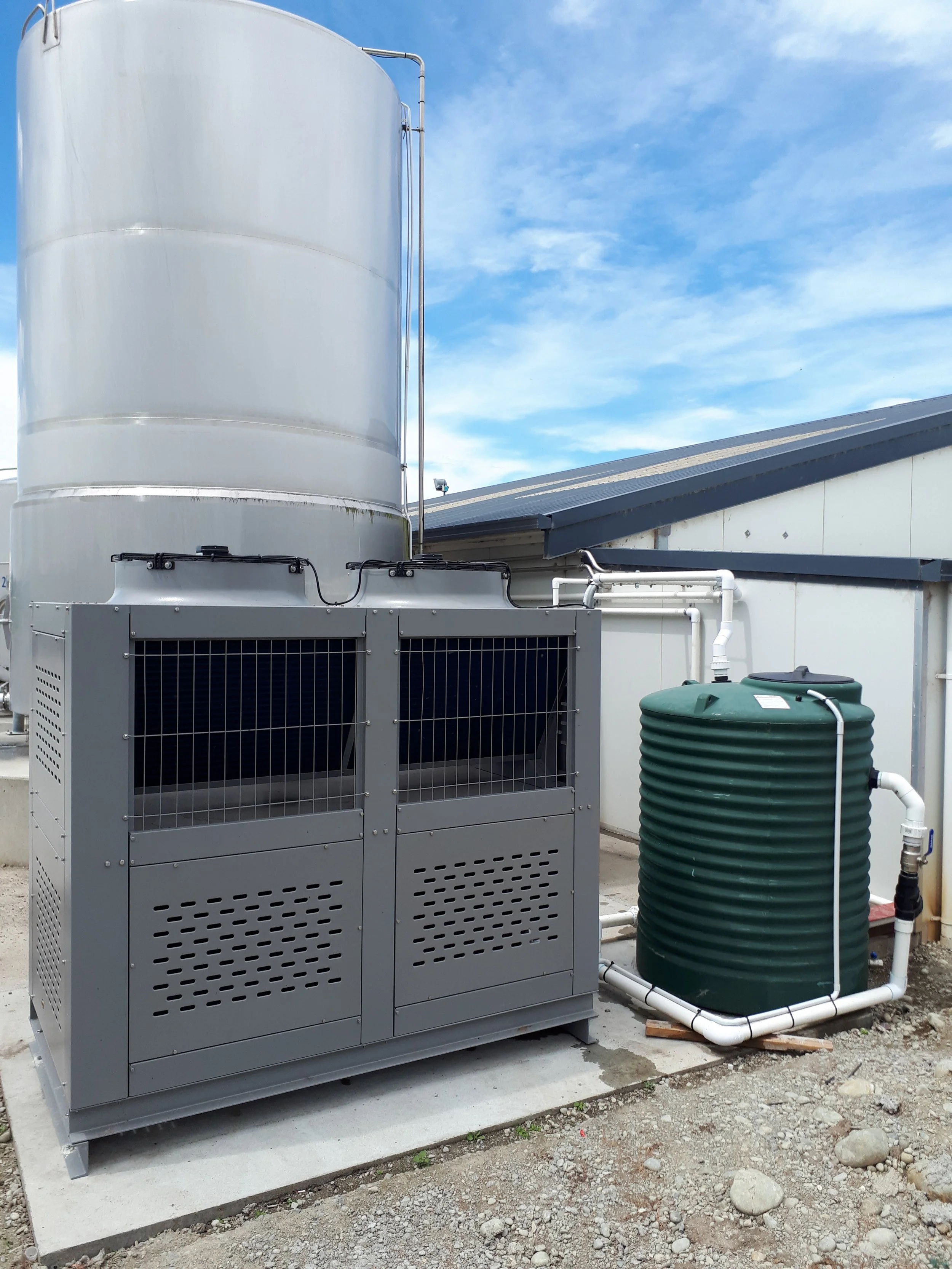
Snap chill with glycol precooling - the ideal solution when you're facing high water temperatures, a limited water supply, or extreme ambient conditions. Using a food-grade glycol and water blend, these systems create on-demand precooling at milking time, rapidly chilling milk to 4°C regardless of your primary water supply.
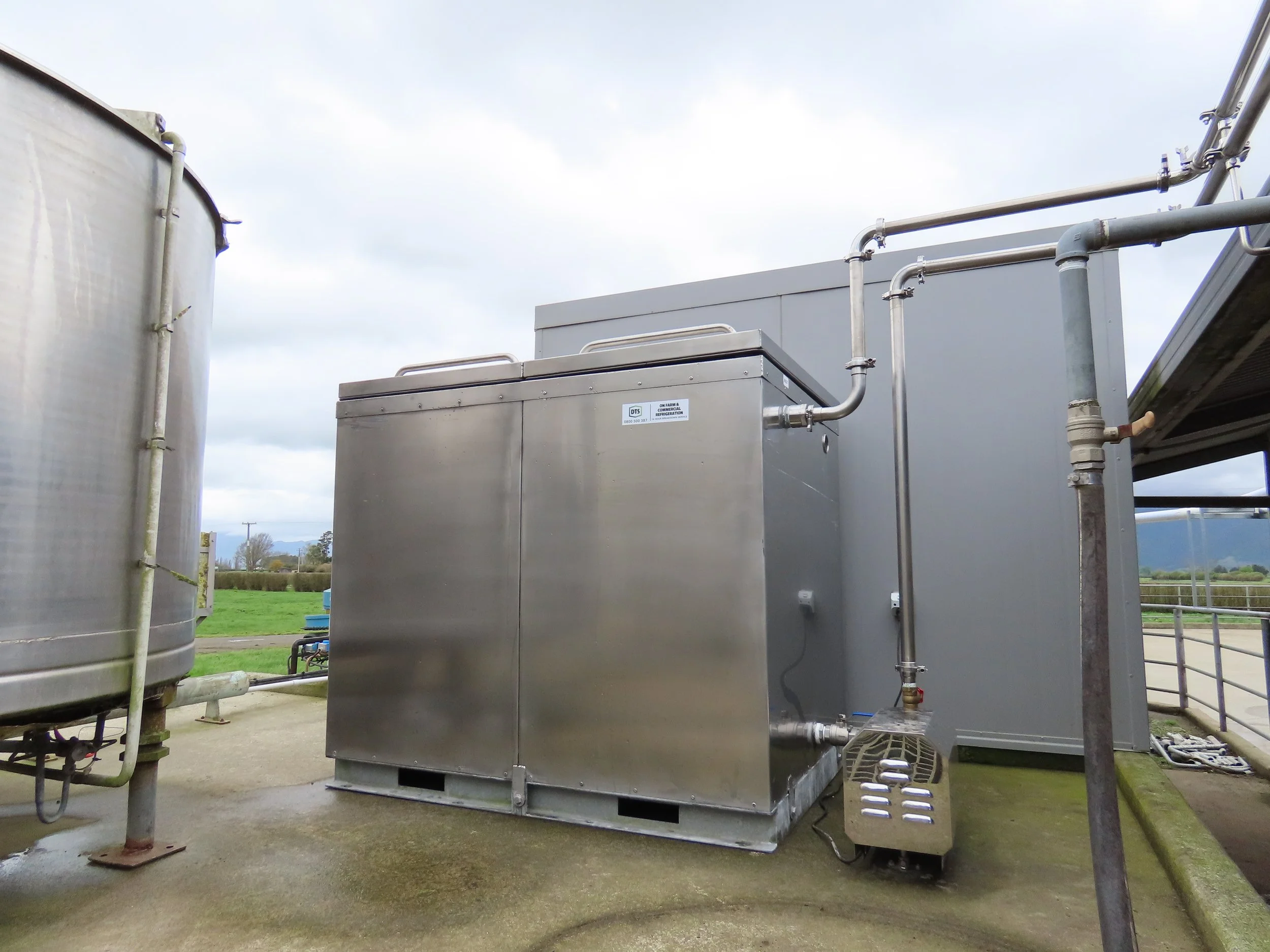
Ice Banks
Ice banks reduce peak power demand during cooling, helping lower your electricity costs - especially valuable where power capacity is limited. Rather than running a compressor at full load during milking, an ice bank builds its cooling capacity ahead of time and draws it down when you need it most.
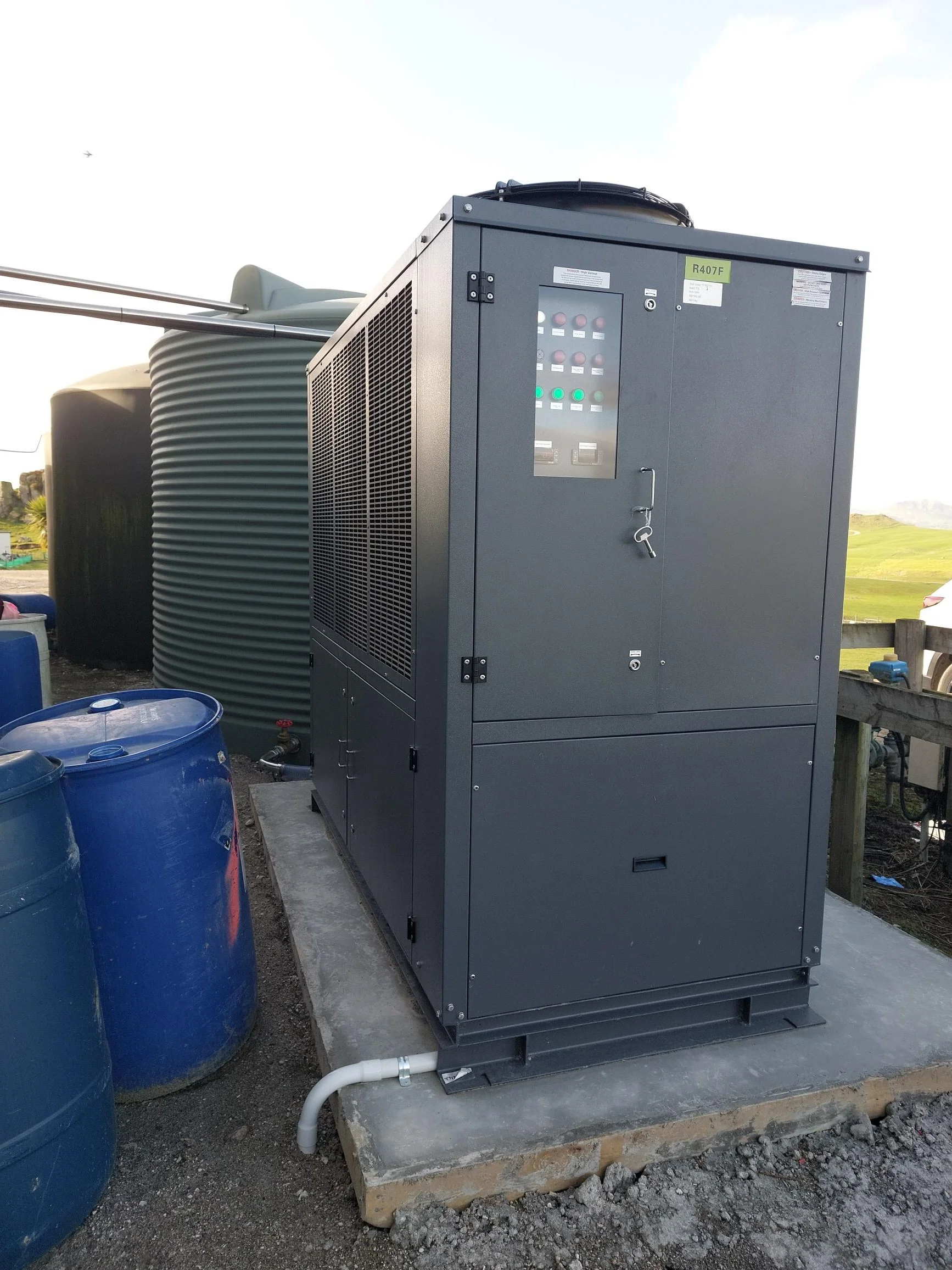
Water Precooling
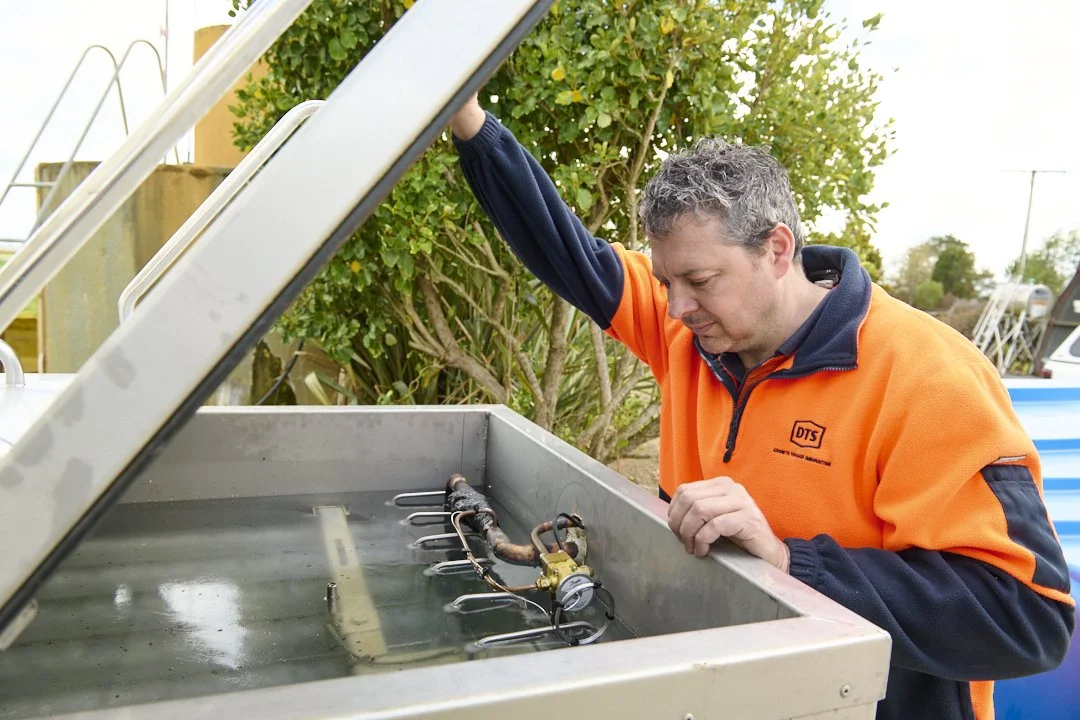
Water precooling is the most common form of precooling in New Zealand, valued for its simplicity and reliability. It works seamlessly with your existing tank and plate cooler setup, or Cryvex can supply a complete system built around it - refrigeration unit, holding tank and plate heat exchanger all designed to work together from day one.
Frequently asked questions
-
Precooling reduces milk temperature before it reaches the vat, taking the load off your vat refrigeration and protecting milk quality from the moment it leaves the cow. It's one of the most effective ways to cut cooling costs and improve overall system performance.
-
Yes, glycol chillers in particular are well suited to robotic milking, since they provide on-demand precooling rather than relying on a fixed milking window.
-
Not necessarily. Water chillers do rely on a reasonable water supply, but glycol chillers are designed specifically for farms with high water temperatures or severe water restrictions, using only a small volume of water.
-
An ice bank freezes ice during off-peak hours when energy is cheapest, then draws on that stored ice during milking instead of running the compressor at full load. This shifts most of the cooling demand away from peak-priced, peak-capacity periods.
-
Yes, heat recovery is available as an option on both water and glycol chiller systems, and on ice banks, letting you pre-heat your hot water cylinder as a byproduct of the cooling process.
-
It depends on your water supply, power capacity and herd size. Plenty of water and moderate temperatures usually suit a water chiller; hot or limited water (or robotic milking) points to glycol; and farms wanting to reduce peak electricity costs benefit most from an ice bank. Your Cryvex Area Sales Manager can recommend the right fit after a site visit.
-
Precooling reduces milk temperature before it reaches the vat, taking the load off your vat refrigeration and protecting milk quality from the moment it leaves the cow. It's one of the most effective ways to cut cooling costs and improve overall system performance.
-
Yes, glycol chillers in particular are well suited to robotic milking, since they provide on-demand precooling rather than relying on a fixed milking window.
-
Not necessarily. Water chillers do rely on a reasonable water supply, but glycol chillers are designed specifically for farms with high water temperatures or severe water restrictions, using only a small volume of water.
-
An ice bank freezes ice during off-peak hours when energy is cheapest, then draws on that stored ice during milking instead of running the compressor at full load. This shifts most of the cooling demand away from peak-priced, peak-capacity periods.
-
Yes, heat recovery is available as an option on both water and glycol chiller systems, and on ice banks, letting you pre-heat your hot water cylinder as a byproduct of the cooling process.
-
It depends on your water supply, power capacity and herd size. Plenty of water and moderate temperatures usually suit a water chiller; hot or limited water (or robotic milking) points to glycol; and farms wanting to reduce peak electricity costs benefit most from an ice bank. Your Cryvex Area Sales Manager can recommend the right fit after a site visit.
Refrigeration Advice & insights
Practical refrigeration advice, technical insights and industry updates to help you make informed decisions and keep your systems performing at their best. Read More →